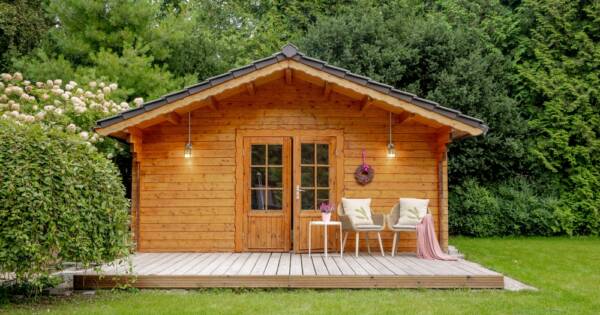
Prefabricated bungalows are emerging as a popular housing choice for the elderly in the UK, offering a blend of independence and family proximity. These cost-effective, sustainable homes provide a barrier-free environment with customizable designs, making them an appealing alternative to traditional care homes. Discover how these innovative solutions enhance the quality of life for seniors.
Understanding Prefabricated Bungalows for the Elderly
Prefabricated bungalows are becoming an increasingly popular housing solution for elderly residents in the UK. These single-story dwellings offer a barrier-free living environment, which is particularly beneficial for those with mobility issues. The design of these bungalows includes open spaces and cozy nooks, providing options for relaxation and entertainment, making them ideal for seniors seeking independence while staying close to family (source). Additionally, the use of healthy living materials ensures a safe and comfortable indoor environment, crucial for the well-being of elderly residents (source).
Benefits of Prefabricated Bungalows
One of the primary advantages of prefabricated bungalows is their cost-effectiveness. These homes are constructed using high-quality materials and a cost-cutting system, making them affordable without compromising on quality. The quick turnaround time for preparation and installation, which can range from a few weeks to two months, adds to their appeal (source). Furthermore, the sustainability of these bungalows is notable, with offsite construction reducing waste by up to 80% and significant CO2 savings, equivalent to planting over 160,000 trees (source).
Living Comfortably and Independently
Prefabricated bungalows offer elderly residents the opportunity to live independently while remaining close to family. This proximity helps reduce feelings of loneliness and isolation, providing a balance of independence and family support. Garden annexes, a type of prefabricated bungalow, are particularly popular in the UK for this reason. They offer a self-contained living space that allows elderly individuals to maintain their autonomy while staying near loved ones who can offer support when needed (source).
Financial and Practical Considerations
Financially, prefabricated bungalows present a cost-effective alternative to traditional care homes, which can be expensive. With care home fees in the UK averaging over £50,000 annually, investing in a prefabricated bungalow can lead to significant long-term savings and a higher quality of life for elderly residents (source). Additionally, most garden annexes fall under permitted development rights, meaning they typically do not require full planning permission, although planning consent may be necessary for permanent residential use (source).
Design and Customization Options
Prefabricated bungalows offer a range of design and customization options to meet the specific needs and preferences of elderly residents. These homes can be tailored with features such as smart-home technology and safety controls, ensuring a comfortable and secure living environment. The architectural flexibility allows for open-plan or divided room designs, catering to personal preferences and lifestyle needs (source). Additionally, features like ground-level windows and patios enhance accessibility and provide a seamless connection to outdoor spaces, which can be particularly appealing for those who enjoy spending time in nature (source).
Why You Should Learn More About Prefabricated Bungalows Today
Prefabricated bungalows offer a practical and sustainable solution for elderly residents in the UK, providing a balance of independence and family support. With their cost-effectiveness, quick installation, and customizable designs, these homes are an attractive alternative to traditional care homes. As the population ages and the demand for independent living solutions increases, understanding the benefits and options available with prefabricated bungalows becomes increasingly important. By exploring these innovative housing solutions, individuals can make informed decisions that enhance the quality of life for elderly residents, ensuring they live comfortably and independently in their later years.