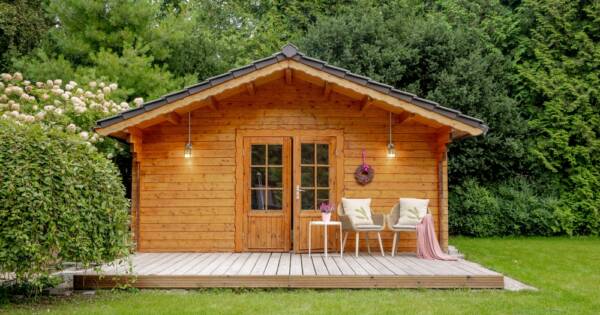
Prefabricated homes offer a modern, efficient alternative to traditional housing, combining cost-effectiveness with design flexibility. Constructed off-site, these homes boast energy efficiency and sustainability, making them an attractive choice for eco-conscious buyers. With their affordability and high-quality standards, prefab homes are reshaping the landscape of contemporary living solutions.
Understanding Prefabricated Homes
Prefabricated homes, often referred to as prefab homes, are a modern solution to traditional housing challenges. These homes are constructed off-site in a factory setting and then transported to their final location for assembly. This method offers significant advantages in terms of cost, speed, and customization compared to traditional on-site construction (source). Prefab homes come in various types, including manufactured, kit, and modular homes, each offering different levels of customization and construction processes (source).
Energy Efficiency and Sustainability
One of the standout features of prefab homes is their energy efficiency. These homes often include high-quality insulation, energy-efficient appliances, and are compatible with solar panels, which significantly reduce energy bills and carbon footprints (source). The construction process itself is designed to be sustainable, with precise material measurement and cutting in the factory minimizing construction waste (source). Many prefab homes also incorporate renewable energy systems, such as solar and wind power, further reducing their environmental impact.
Cost-Effectiveness and Affordability
Prefab homes are generally more affordable than traditional homes due to efficient manufacturing processes and reduced on-site labor requirements. This cost-effectiveness is achieved through bulk purchasing of materials and streamlined factory production, which lowers overall costs (source). Additionally, the faster construction process reduces labor costs, making these homes up to 20% cheaper than traditional homes (source).
Customization and Design Flexibility
Prefab homes offer extensive design flexibility, allowing homeowners to personalize floor plans and finishes. This includes a variety of designs, styles, and the ability to add improvements and extras without incurring delays or additional costs (source). Homeowners can choose from a range of exterior and interior finishes, such as siding materials, roofing styles, flooring options, and cabinetry finishes, to create a unique living space (source).
Quality and Durability
The controlled factory environment of prefab home construction ensures rigorous quality control, reducing the likelihood of defects and ensuring high construction standards (source). Prefab homes are built to meet or exceed traditional building standards, ensuring they are durable and long-lasting (source). They are designed to withstand transportation and provide a robust, long-lasting living environment, challenging misconceptions about their sturdiness.
Why You Should Learn More About Prefab Homes Today
Prefabricated homes represent a smart, sustainable, and cost-effective solution for modern living. With their energy efficiency, affordability, and customization options, they offer a compelling alternative to traditional housing. As the demand for eco-friendly and efficient housing solutions grows, understanding the benefits and possibilities of prefab homes becomes increasingly important. Whether considering a new home purchase or exploring sustainable living options, prefab homes offer a versatile and innovative approach to modern housing needs.